What to say about Yellowstone National Park? We have been completely captivated and amazed by the natural beauty this vast park offers, an area as large as Corsica. A nature that is bubbling, trembling, roaring, erupting, steaming, dangerous, and breathtakingly beautiful, showing its full power and frenzy in every corner of the park. No doubt about it: Yellowstone lived up to its reputation.
Saturday, September 17 to Tuesday, September 20, 2022
We arrive at Yellowstone National Park after visiting the magnificent Glacier National Park in the American Rockies. With an area of nearly 9,000 km² (3,500 sq mi), larger than Corsica, Yellowstone is the eighth largest national park in the United States and the very first national park in the world, created in 1872. It’s celebrating its 150th anniversary this year! At the heart of Yellowstone lies a supervolcano. This is our second supervolcano after Lake Toba in Indonesia in 2018.


About 630,000 years ago, the center of what is now Yellowstone National Park collapsed, forming a huge caldera 72 kilometers (45 miles) wide. The geothermal activity of this supervolcano is visible throughout the park: geysers, hydrothermal hot springs, fumaroles, mud pots, boiling pools. Just walking on the many wooden boardwalks lets you see, smell, and hear all this impressive volcanic activity. A fumarole whistles steam into the air, a hole in the ground contains boiling water, bubbling mud pots hiss and pop, geysers erupt either predictably or unpredictably. walking through Yellowstone is a constant surprise and amazement. We show you all these natural wonders in photos!
And to discover our special article on wildlife and all the animals we saw at Yellowstone National Park, click here!
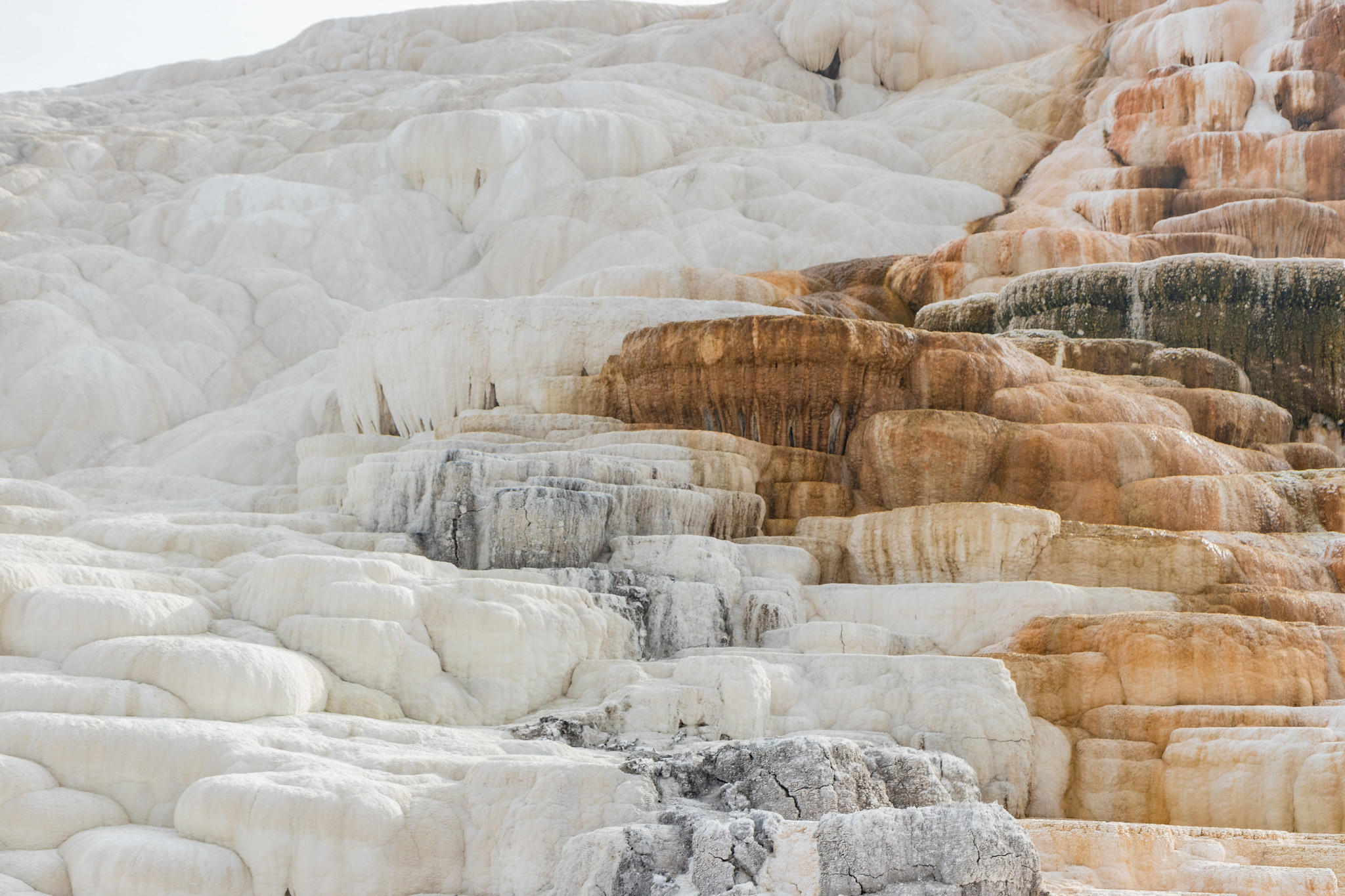
The Terraces
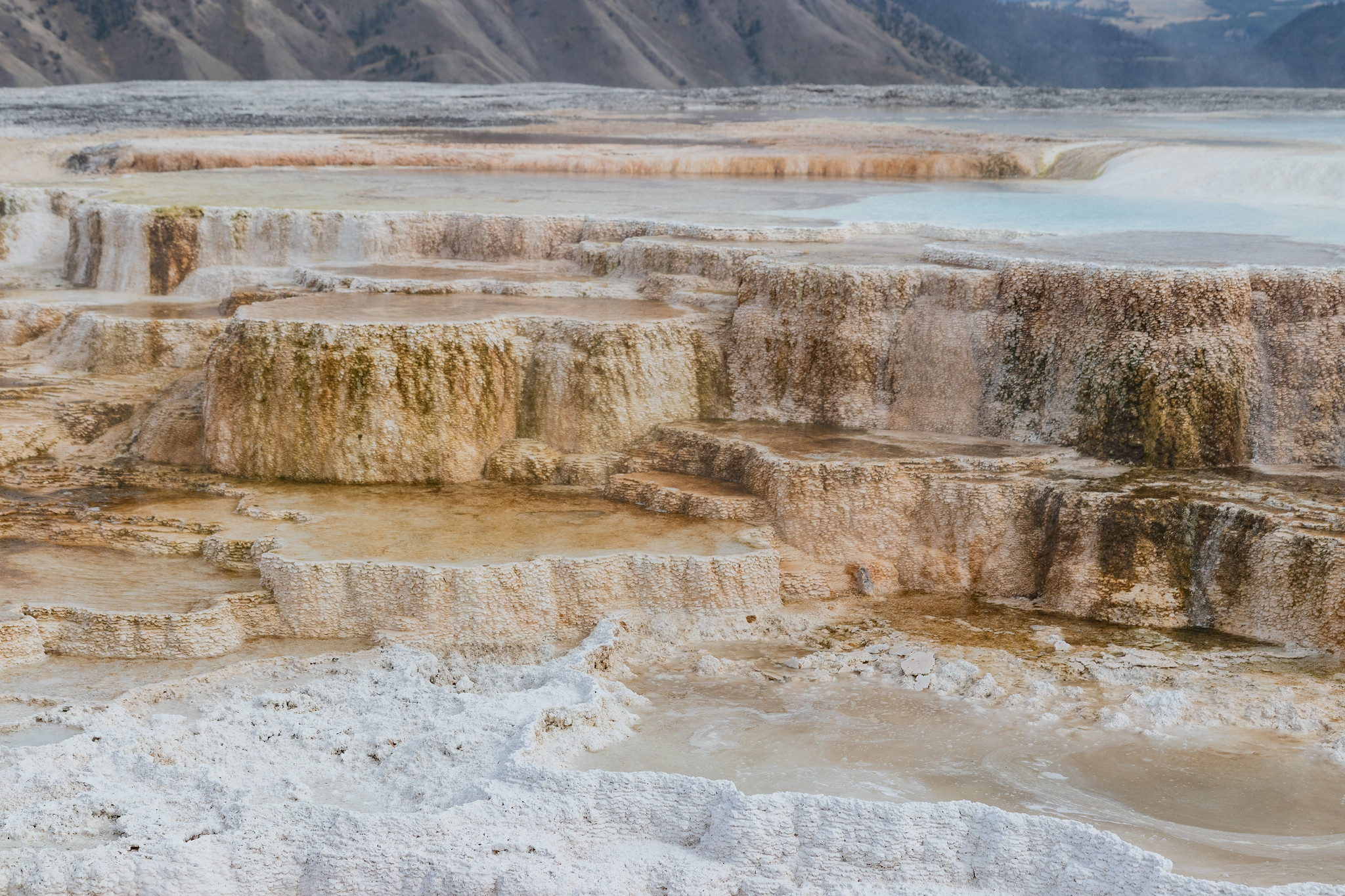
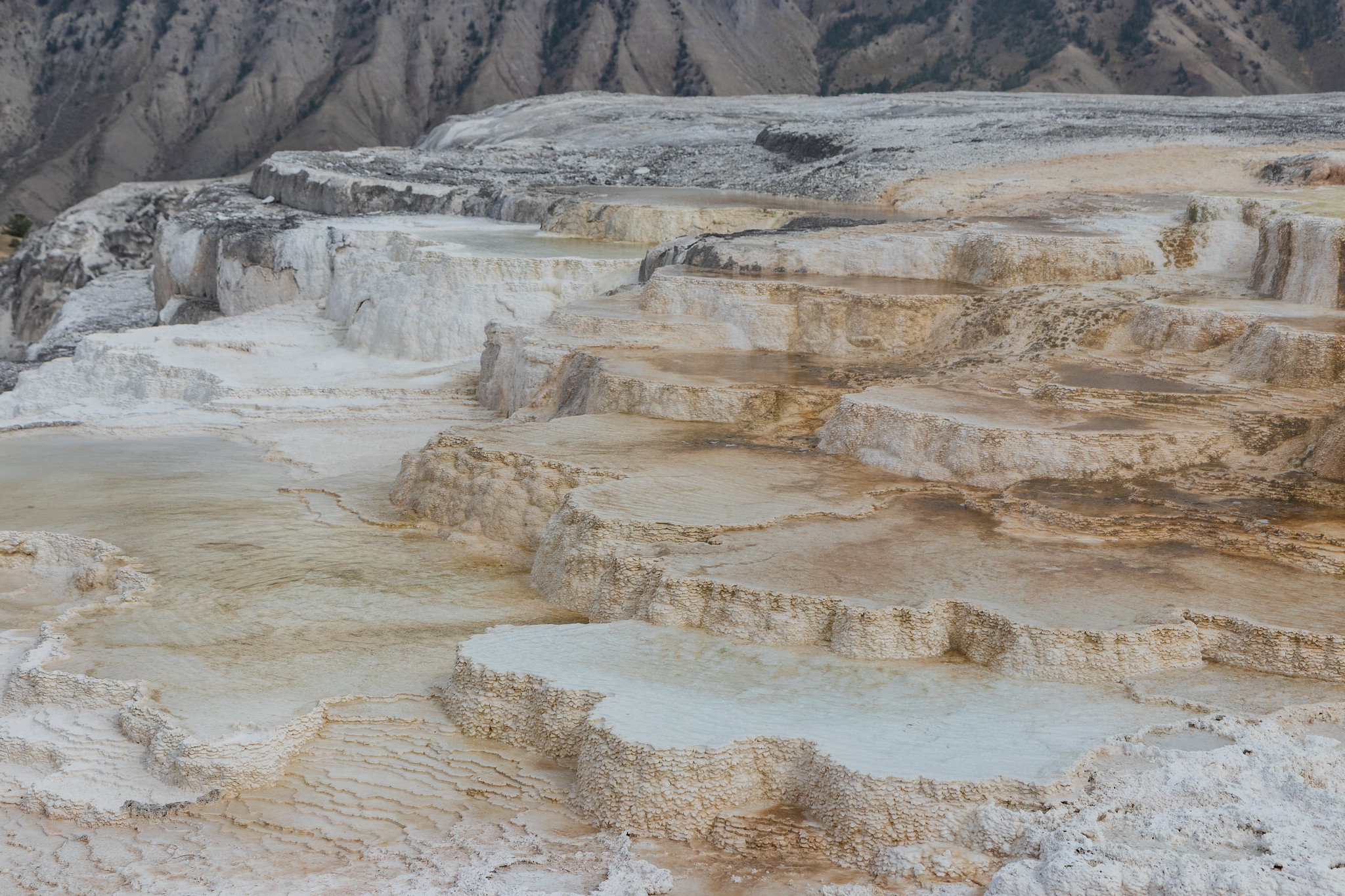
Located in the northern part of the park, at Mammoth Hot Springs, these are limestone terraces. Water flows from one basin to another, forming these beautiful terraces. Their orange hue comes from microorganisms that thrive in the hot water.

The Mud Pots
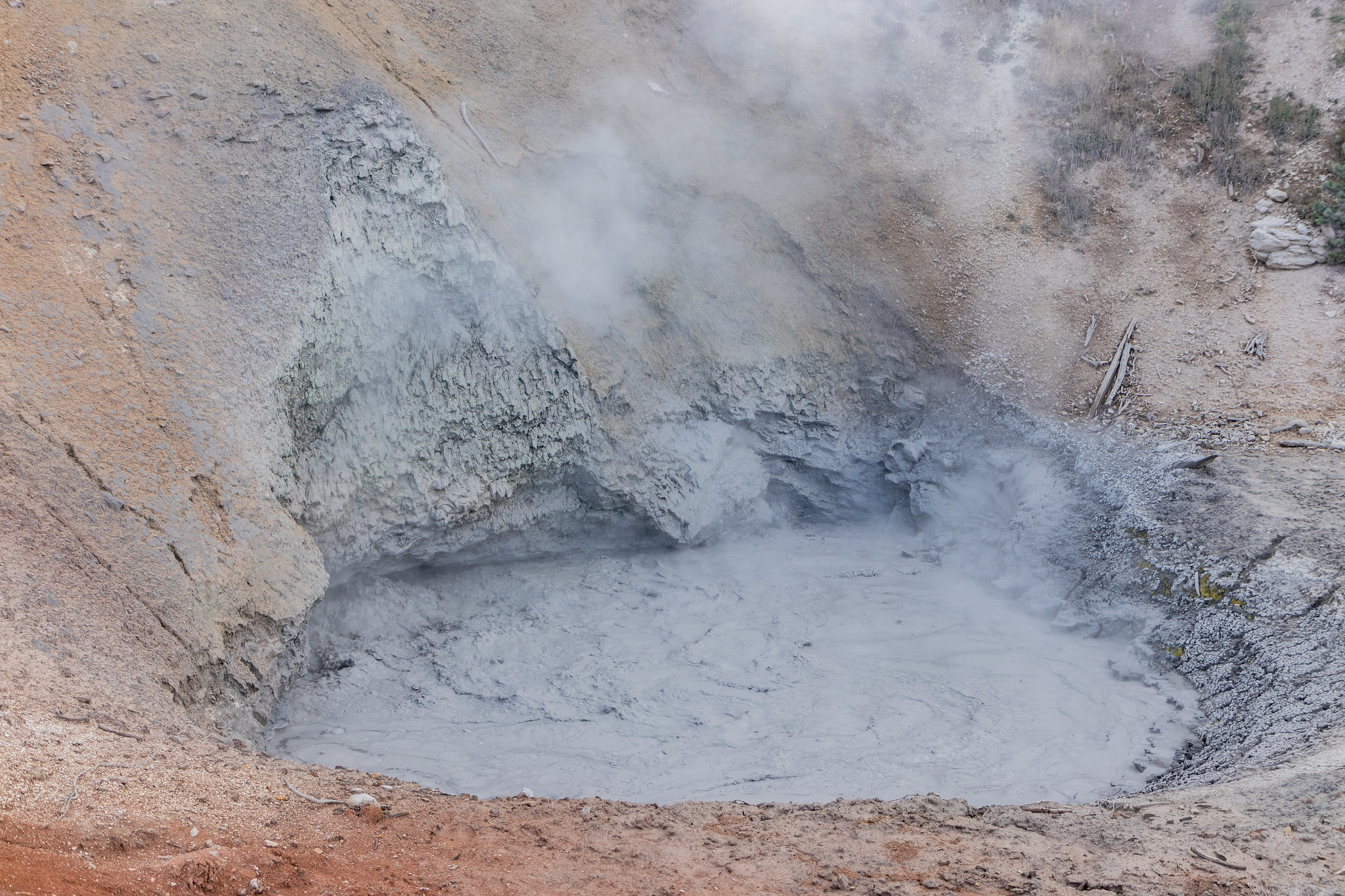
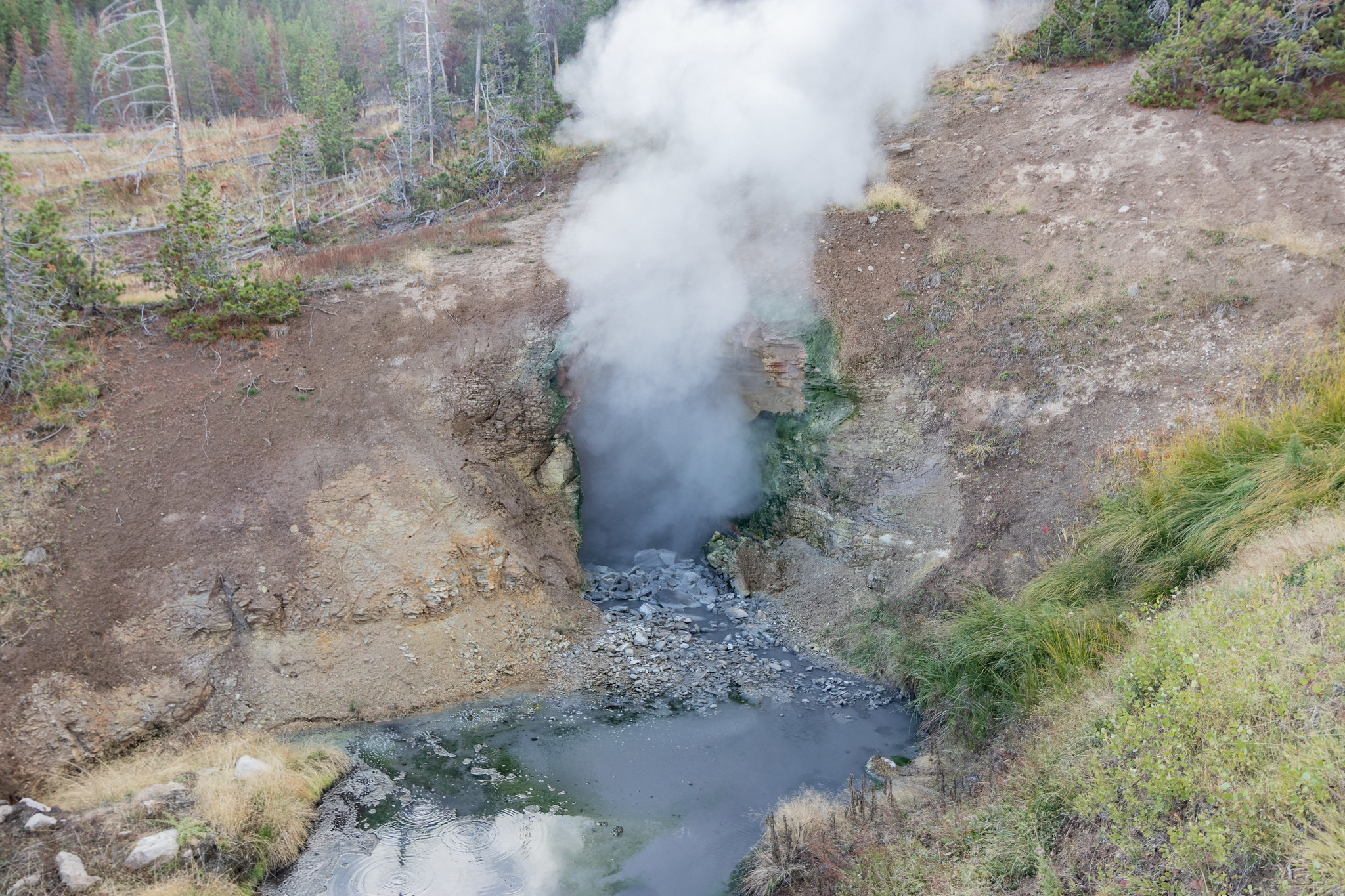
We loved the mud pots! These are acidic hot springs with little water. The acidity of volcanic gases and microorganisms breaks down the surrounding rock into clay and mud. The boiling is not only due to heat but also to escaping carbon bubbles. When you pass near a mud pot, you can hear a bubbling sound similar to pasta cooking. We love it!

The Geysers
Geysers are Yellowstone’s main attraction, there are nearly 400! But seeing them erupt depends on luck and timing. Most are unpredictable, so you need luck to witness an eruption. Some, however, are predictable! The intervals can range from 20 minutes to 4 hours, and the park rangers’ forecasts are generally quite accurate. We were lucky to see some beautiful eruptions.
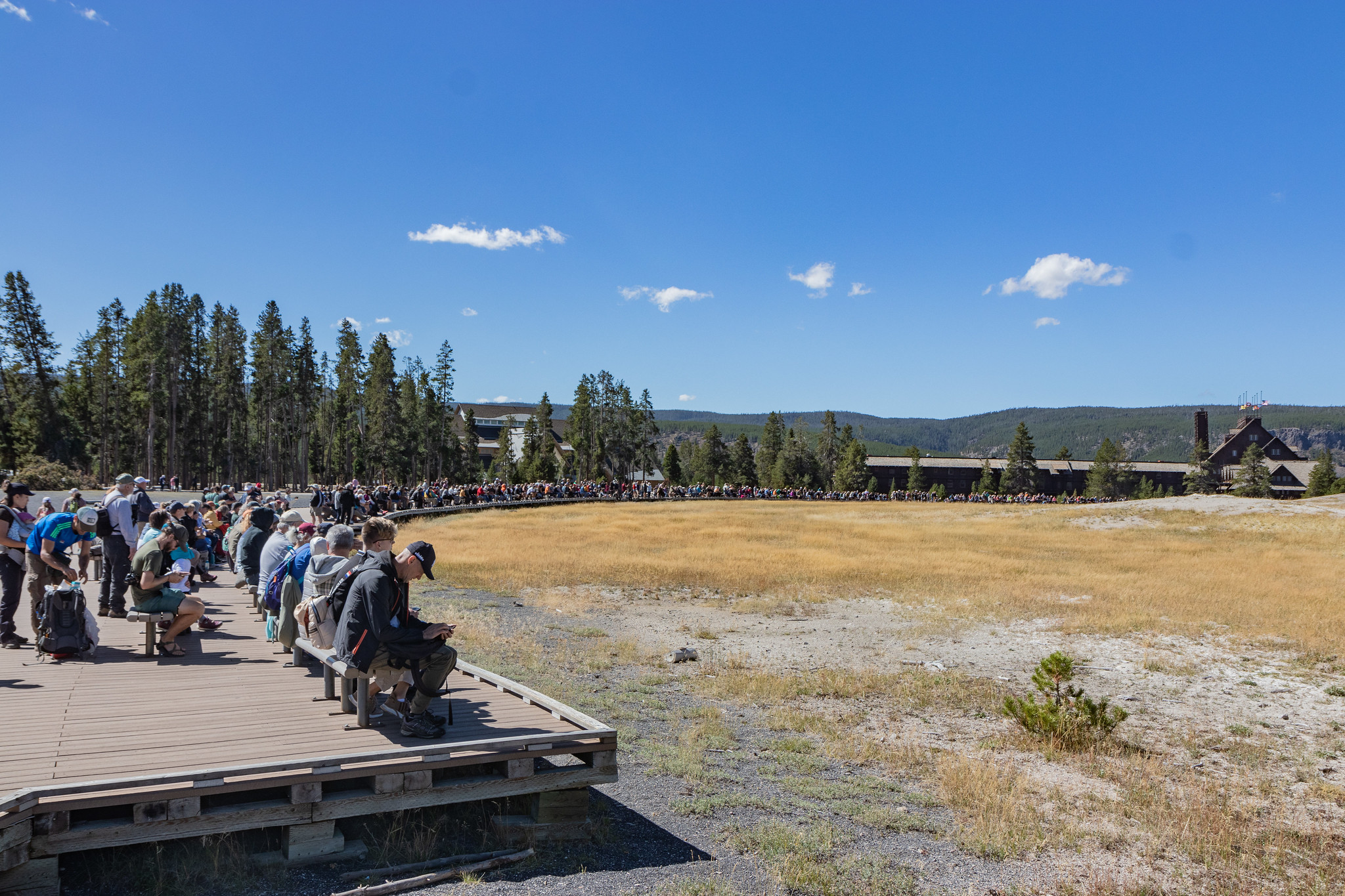
Old Faithful is the most famous and touristy geyser, erupting every 90 minutes, making it very easy to watch. But in our opinion, it’s not the most impressive, probably because the crowds waiting for it break the magic a bit.
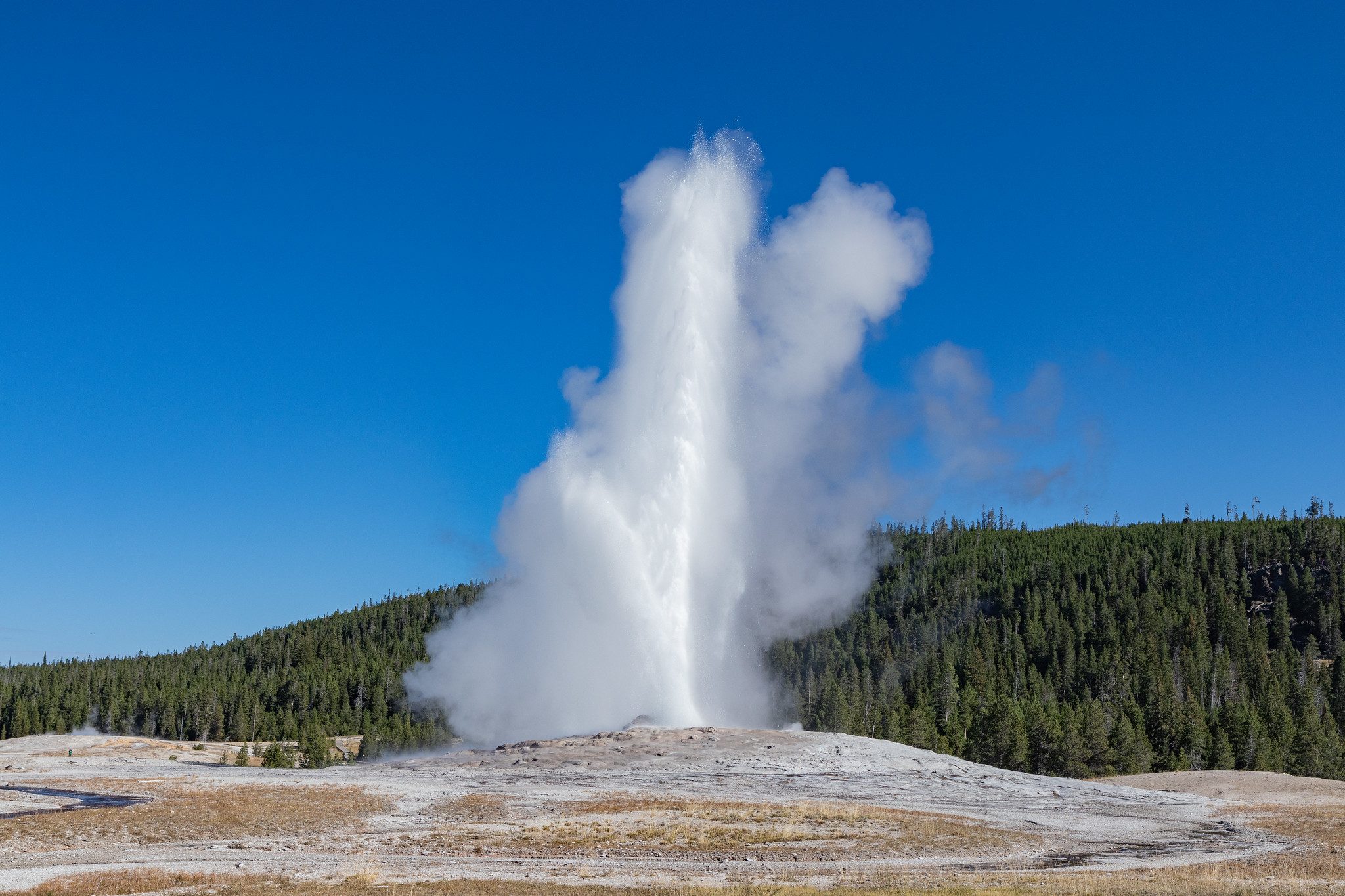

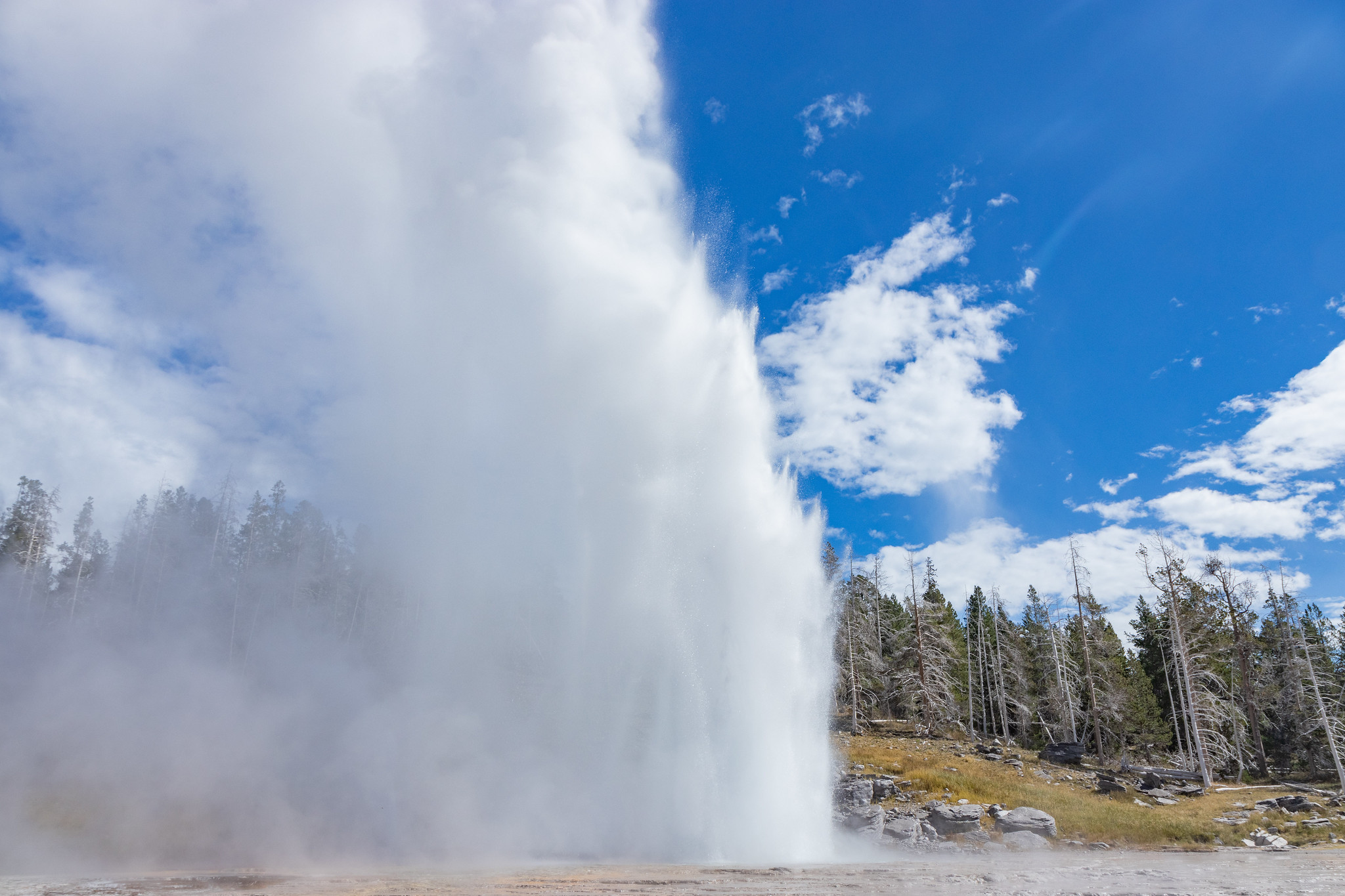
The most impressive geyser we saw erupt was undoubtedly the Grand Geyser. We had to try twice to see it erupt. The second time was the charm: it was scheduled for noon with a window of about 90 minutes. We finally waited 45 minutes before seeing it explode. What a show! It shoots up to 61 meters (200 feet) high, with eruptions lasting up to 12 minutes. A real fireworks display!
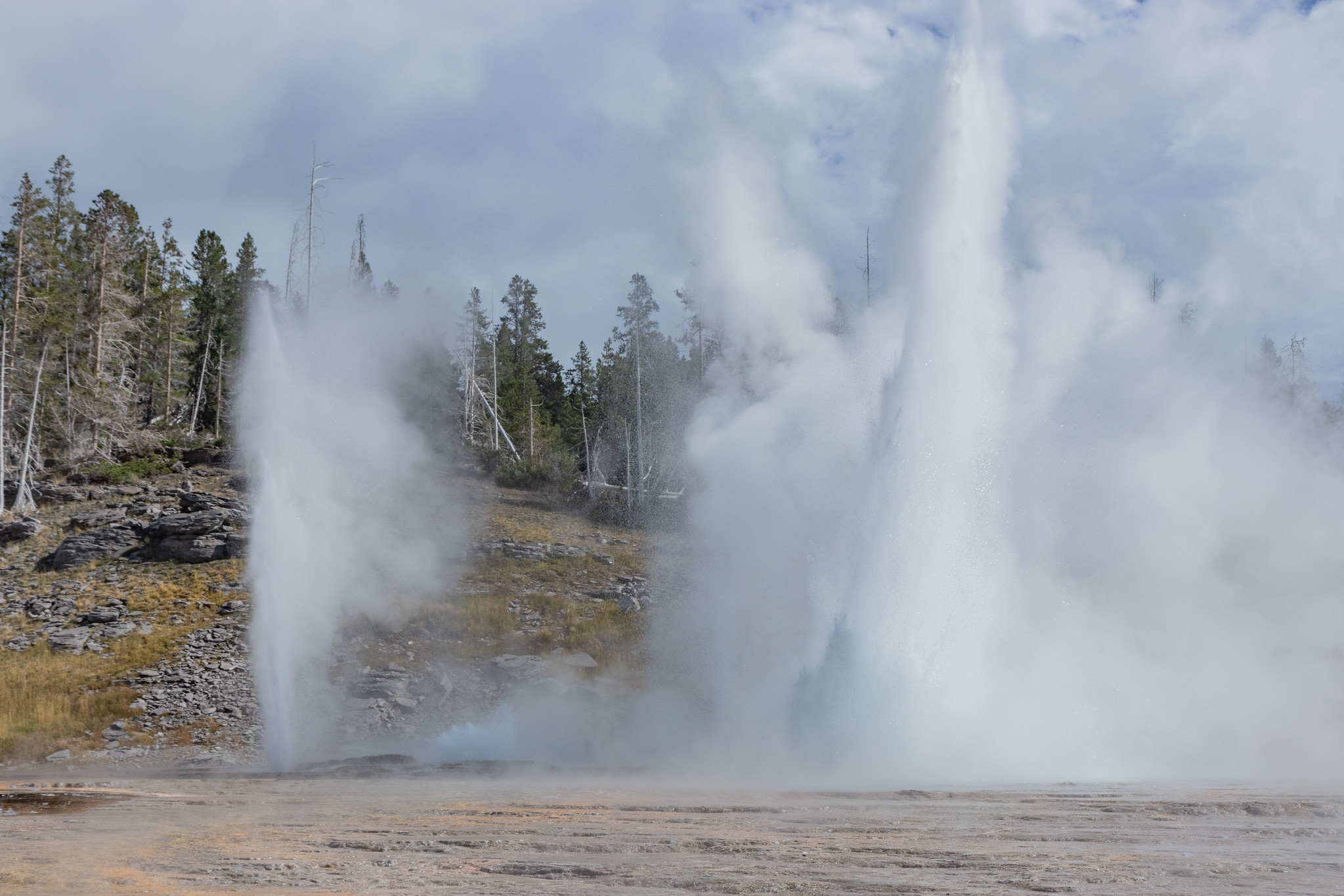
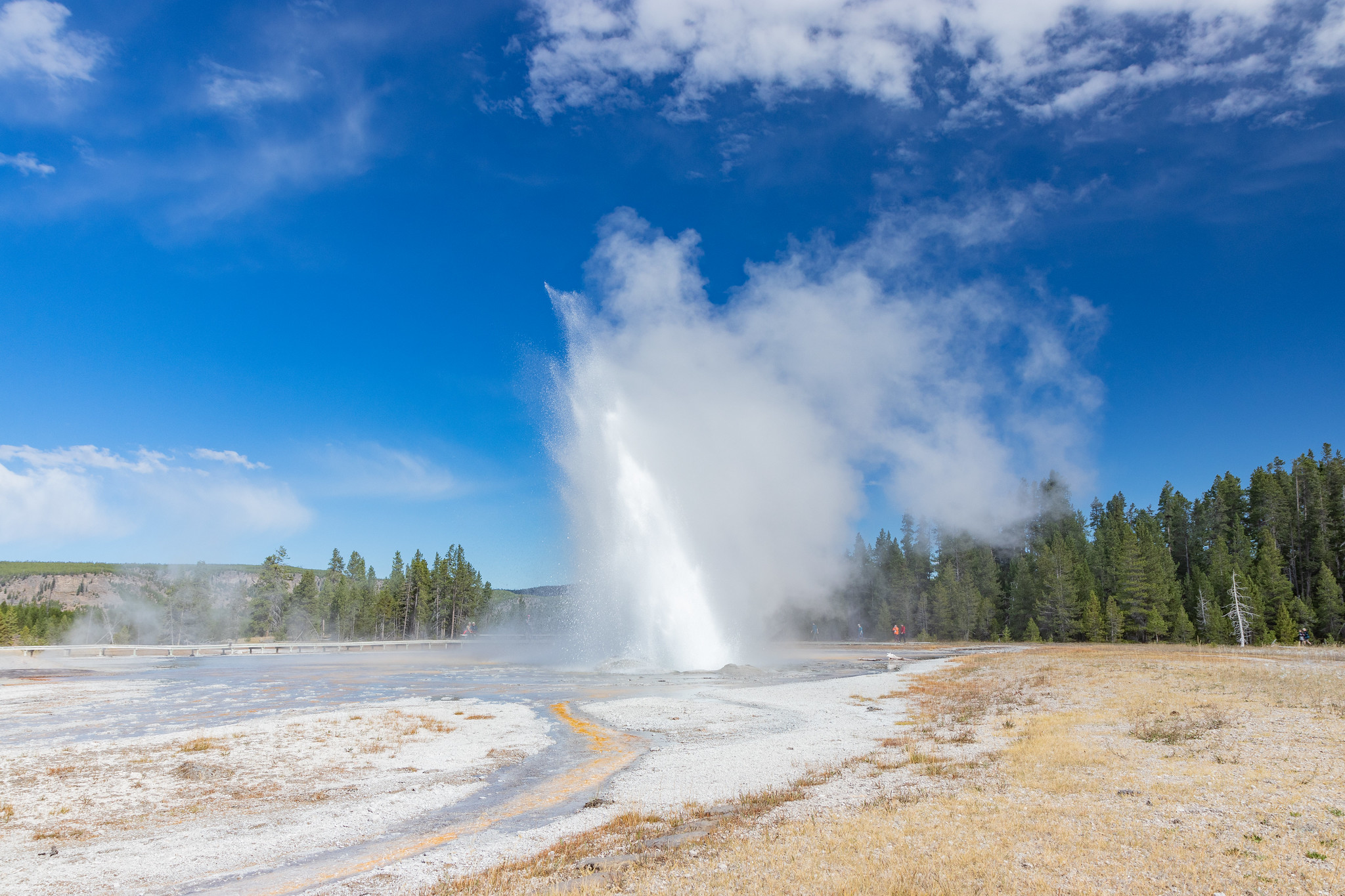
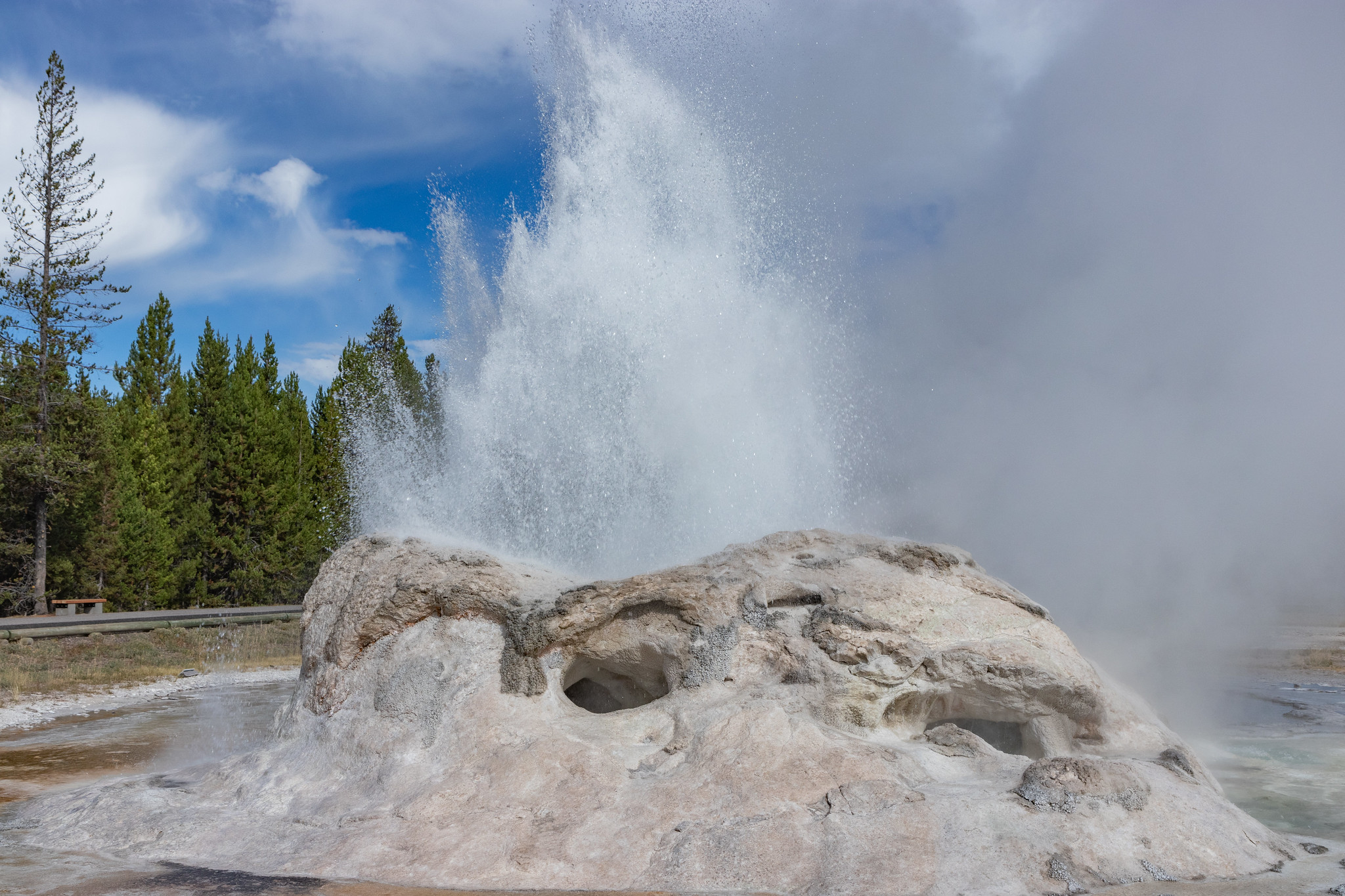
Thanks to the predictability and ranger forecasts, we also saw Daisy Geyser, Grotto Geyser, and Castle Geyser erupt, all on the same day, each with a very different style!

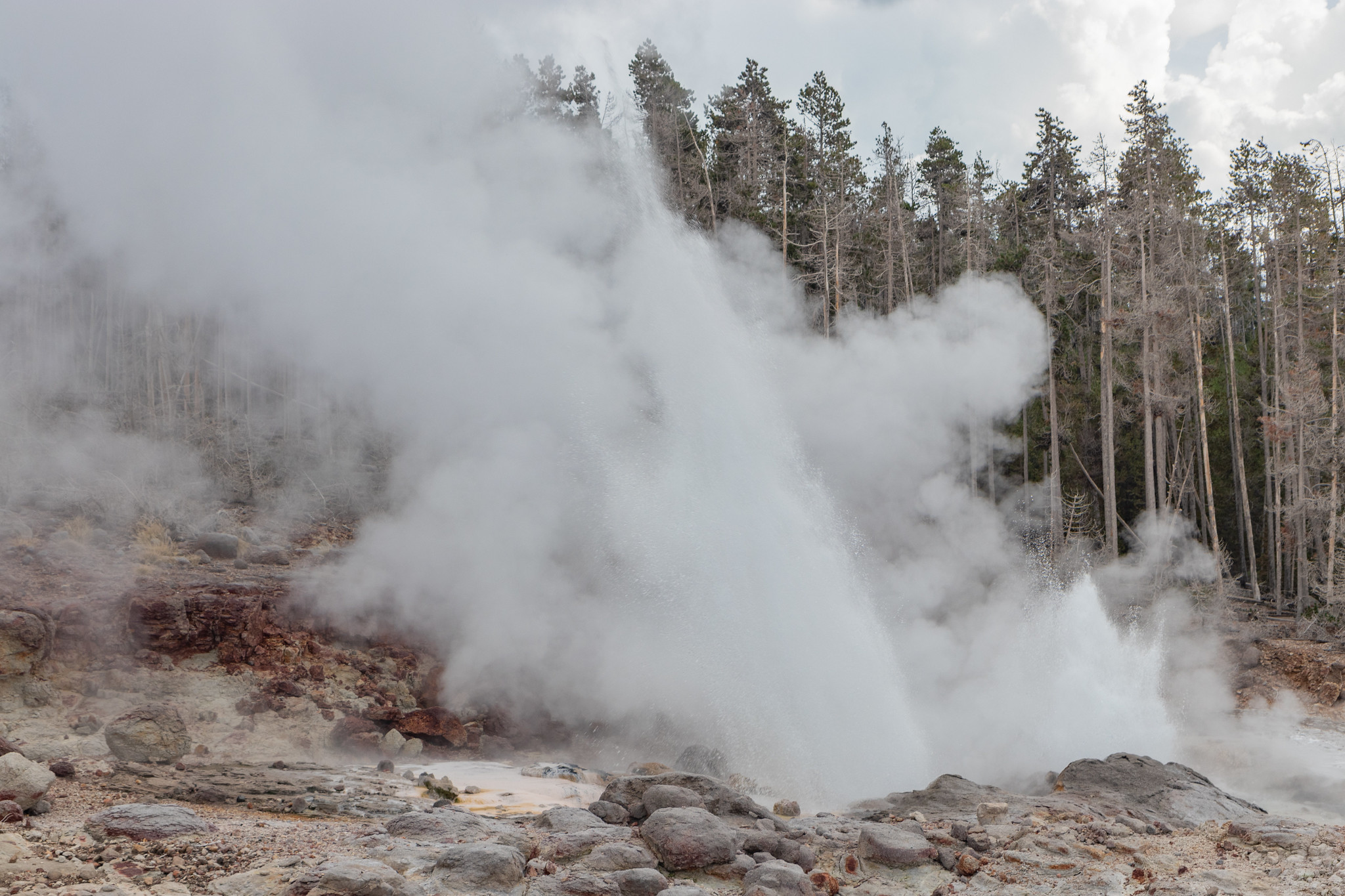
Yellowstone also hosts the world’s tallest unpredictable geyser: Steamboat Geyser. It can reach 120 meters (390 feet) high! Given that its eruptions range from every 3 days to… 50 years, our chances of seeing it shoot that high were slim. Still, we did witness some minor eruptions.

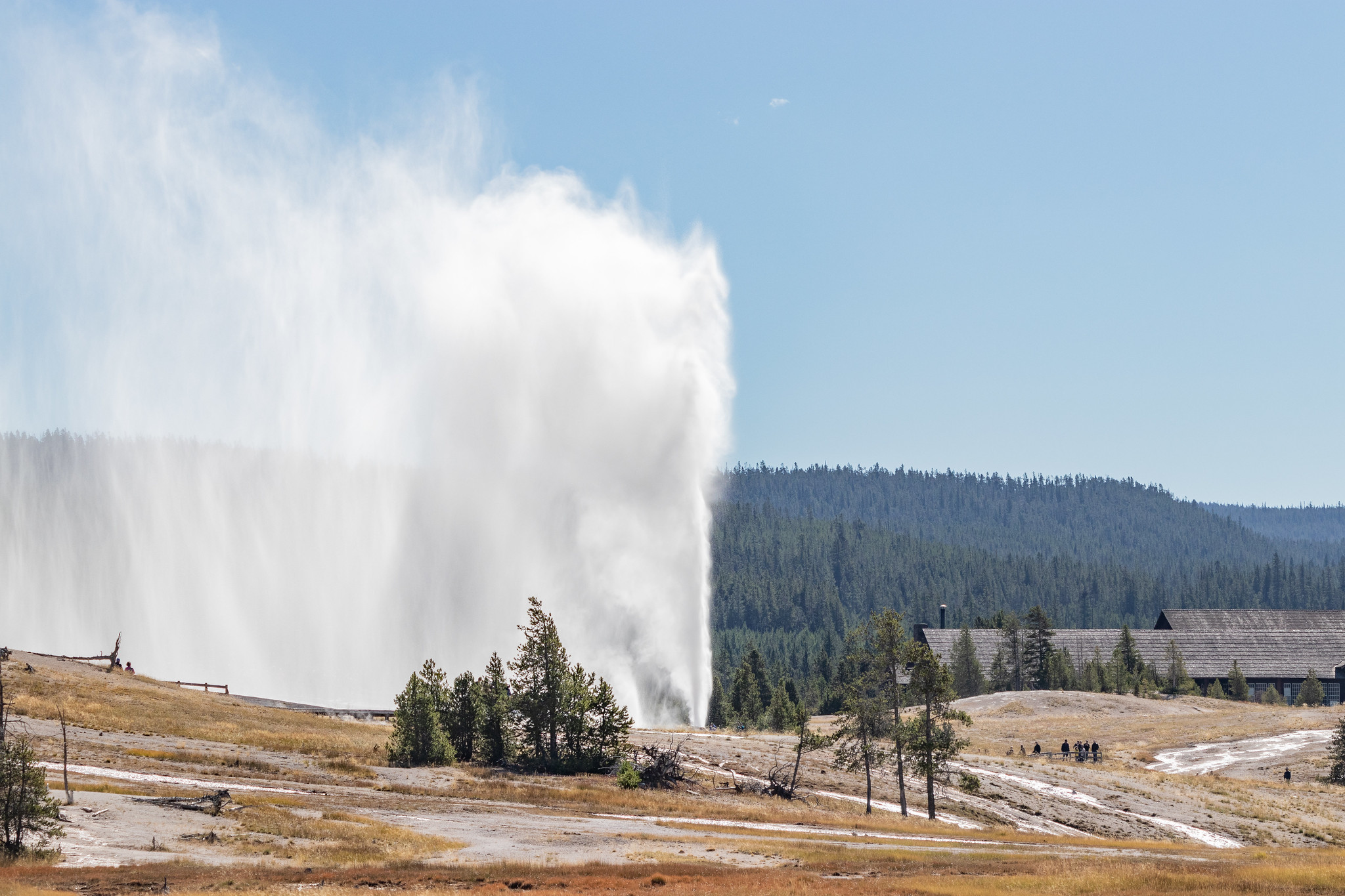
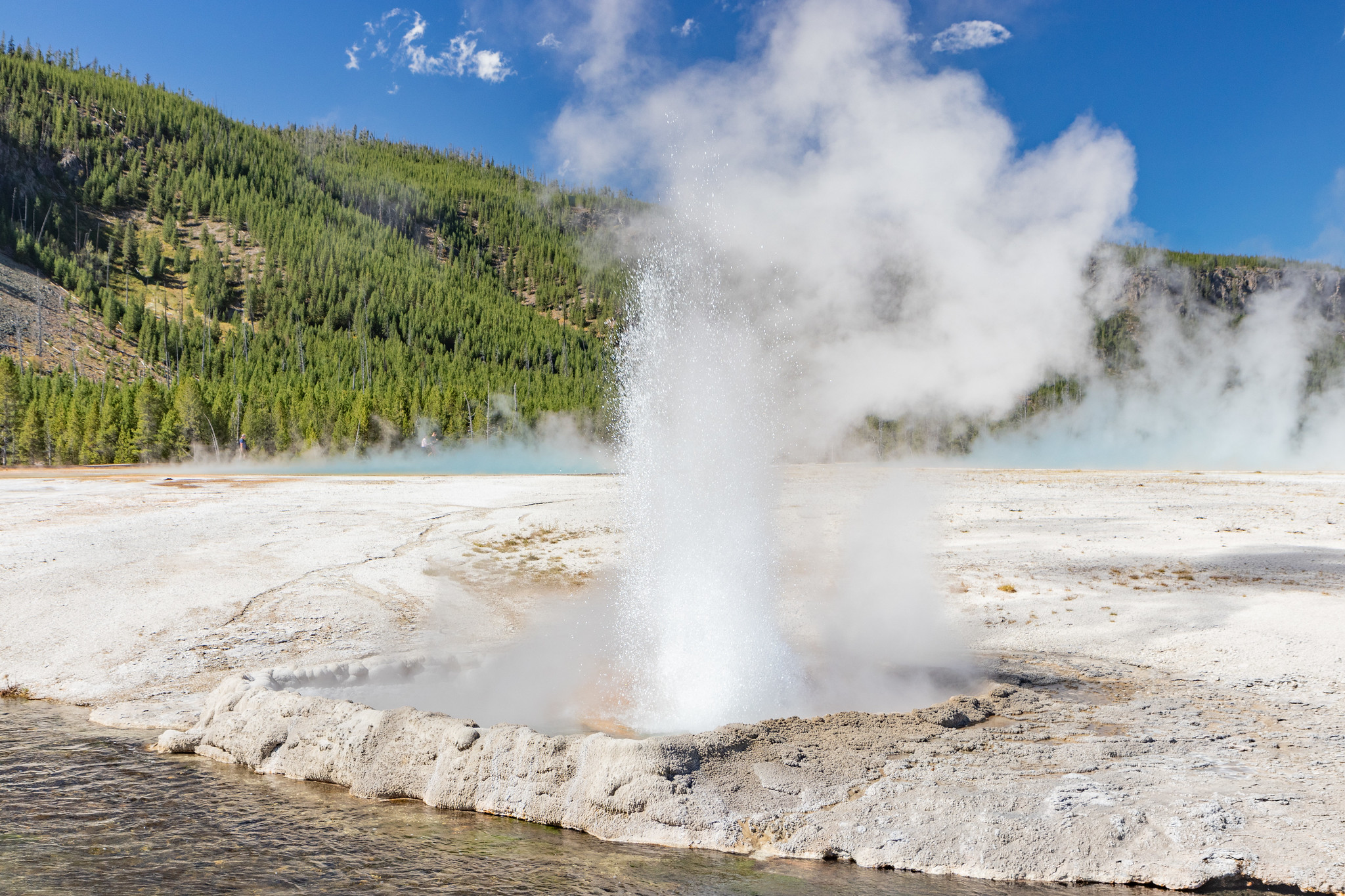
Out of nearly 400 geysers, we saw many more that gave smaller eruptions, little water jets here and there, and even an unexpected Beehive eruption while we were on the boardwalks a distance away.

The Fumaroles
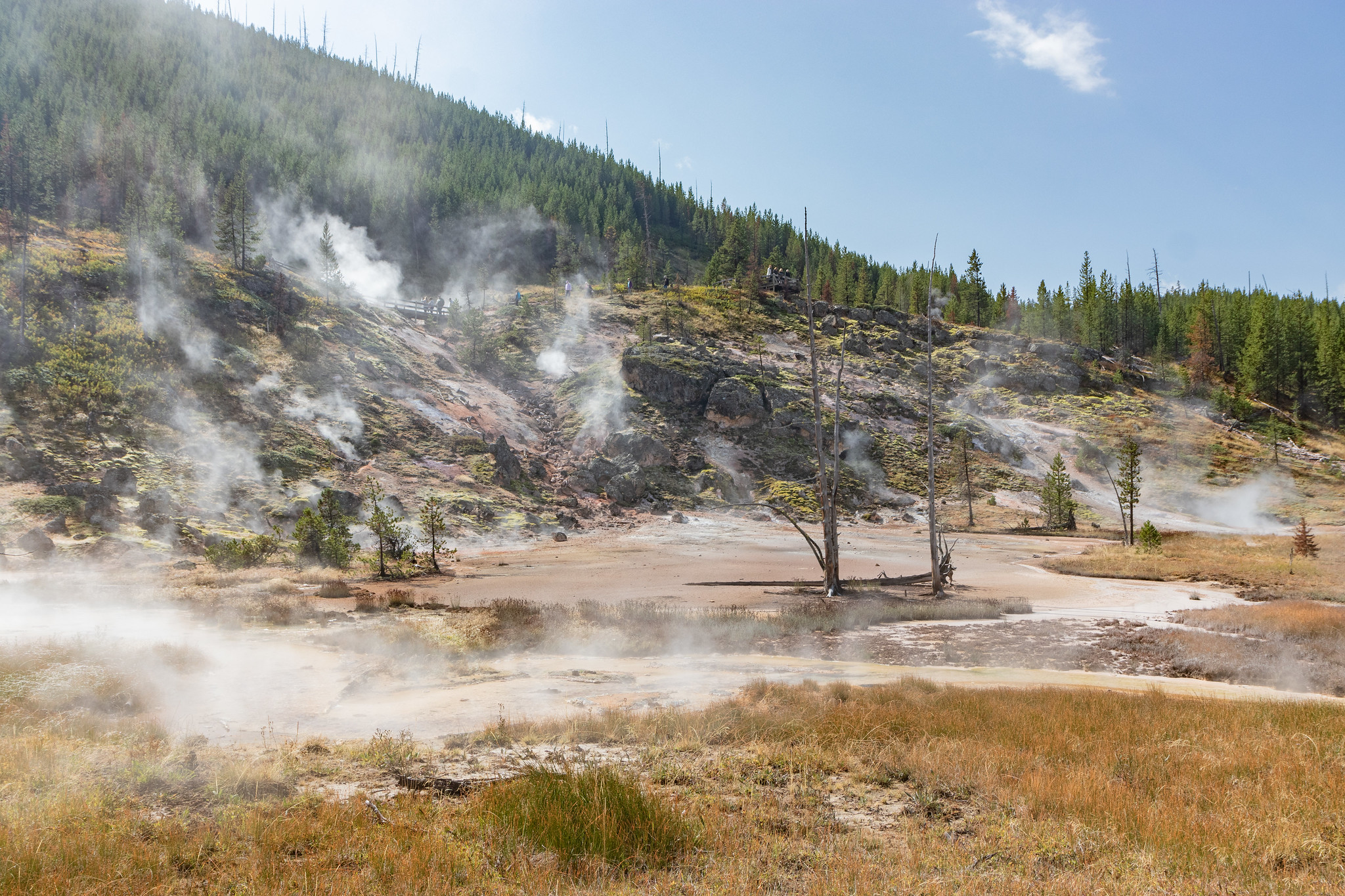
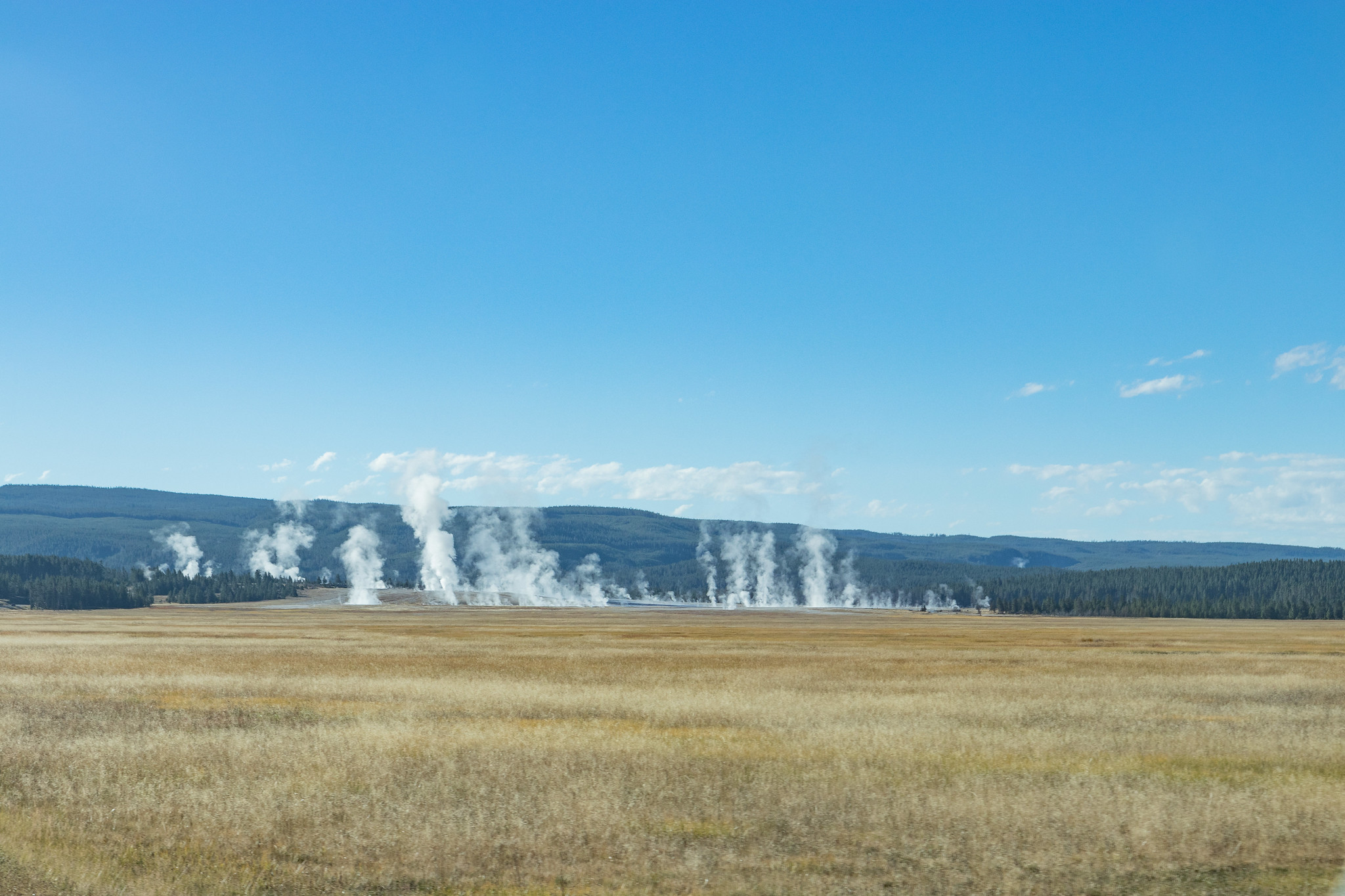
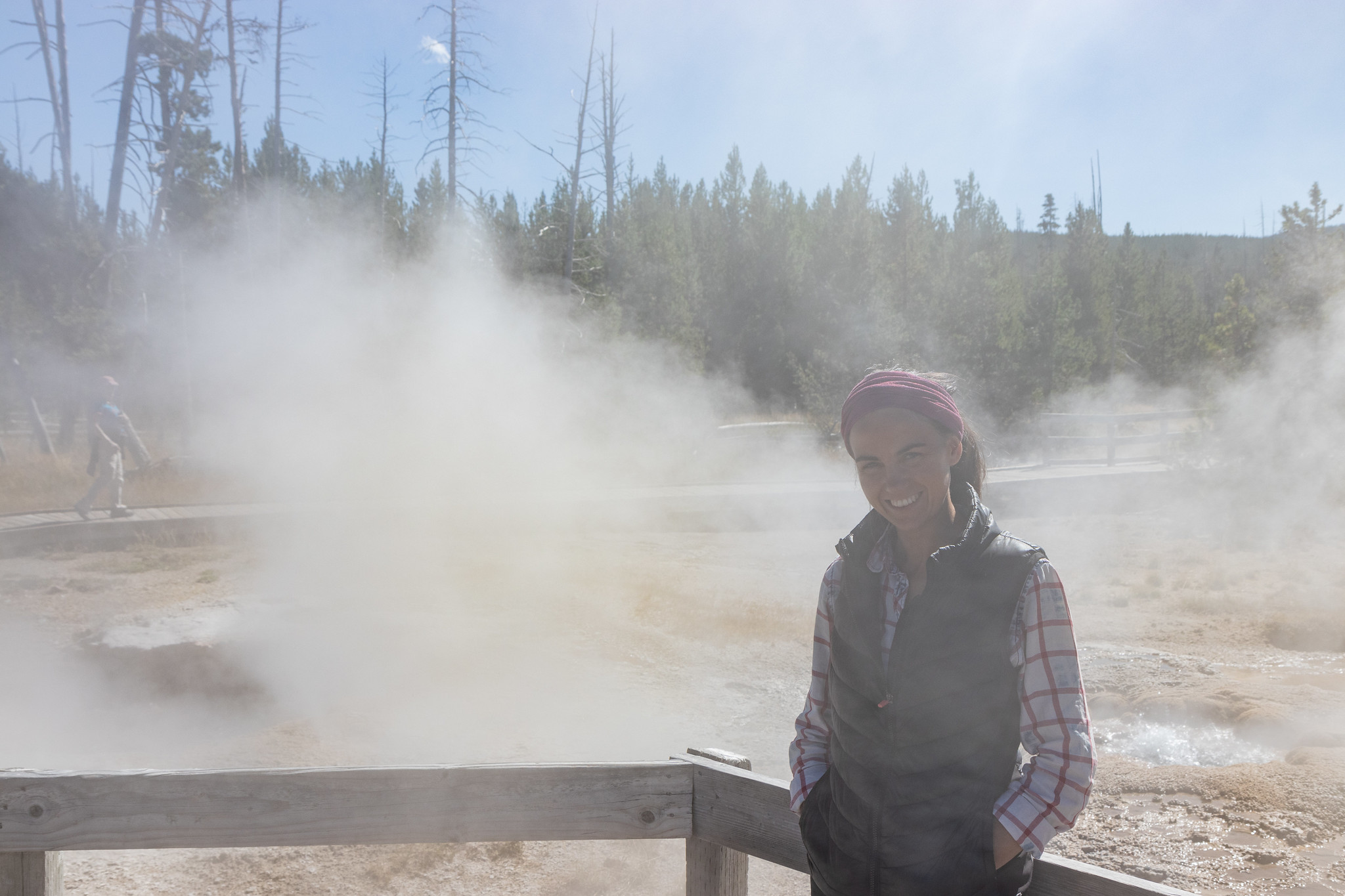
Fumaroles are everywhere in Yellowstone! Wherever you are in the park, you can see steam rising above treetops or in the vast plains. These are the hottest spots in the park. Some are silent; others whistle as steam escapes.

The Wildlife
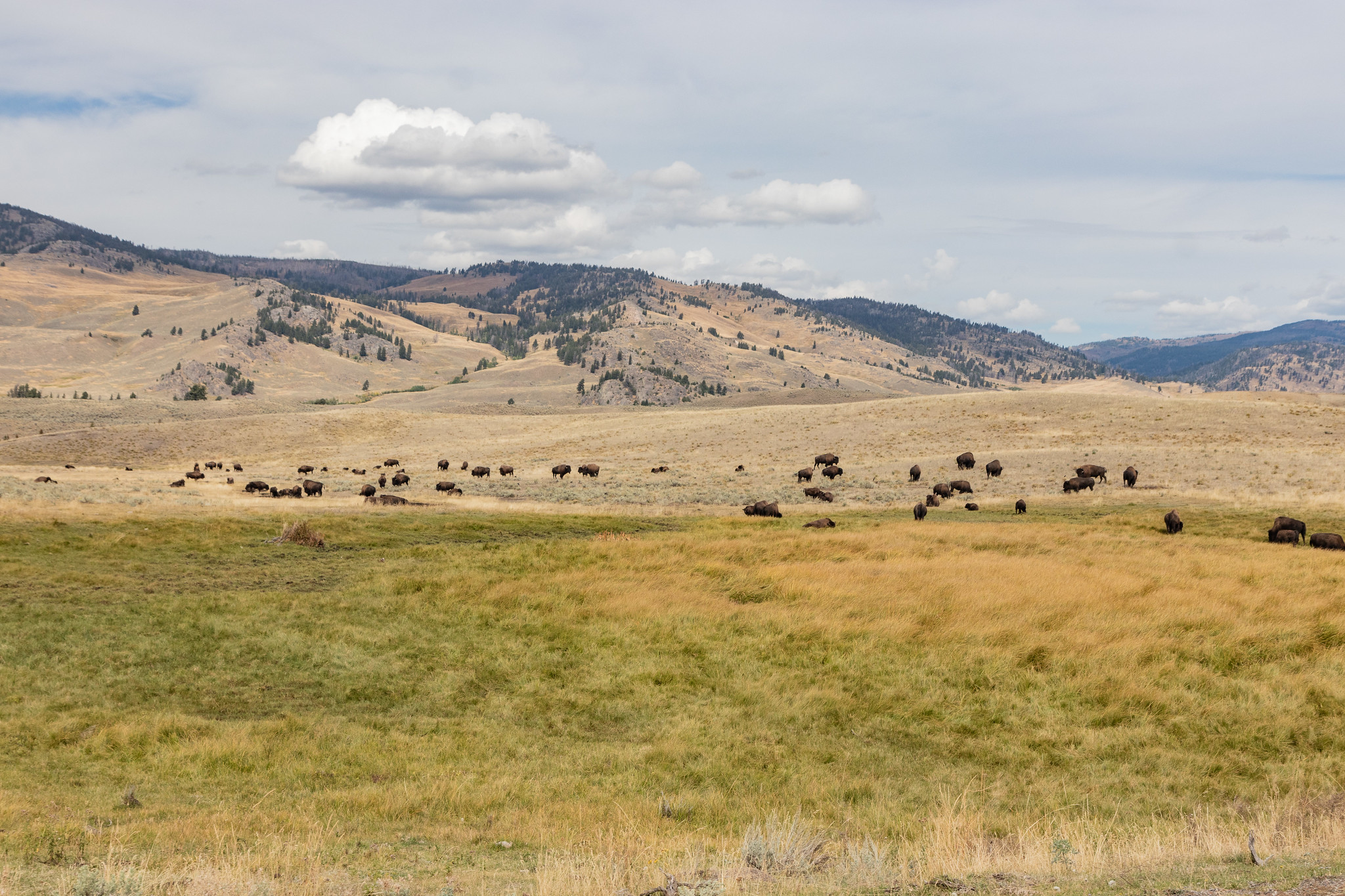
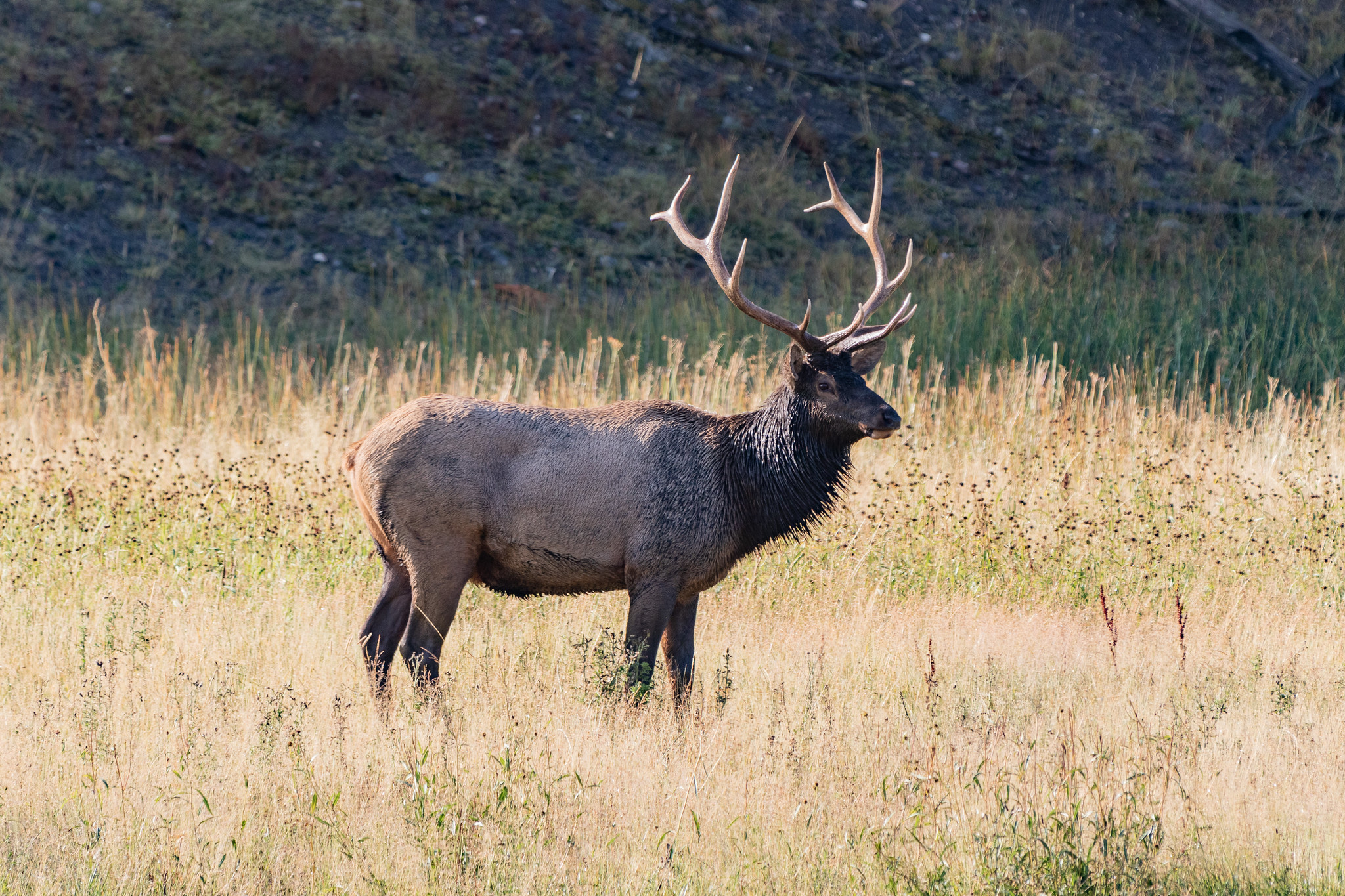
And yes, Yellowstone is also home to loooots of tourists! Oops, no, this is about wildlife! The park is populated by many animals: bison, deer, elk, wolves, black bears, grizzlies, and pronghorn antelope. We didn’t have the chance to see them all. But we saw many bison: they are everywhere in the park, alone or in herds! We also saw numerous elk and two beautiful deer.



The Hot Springs
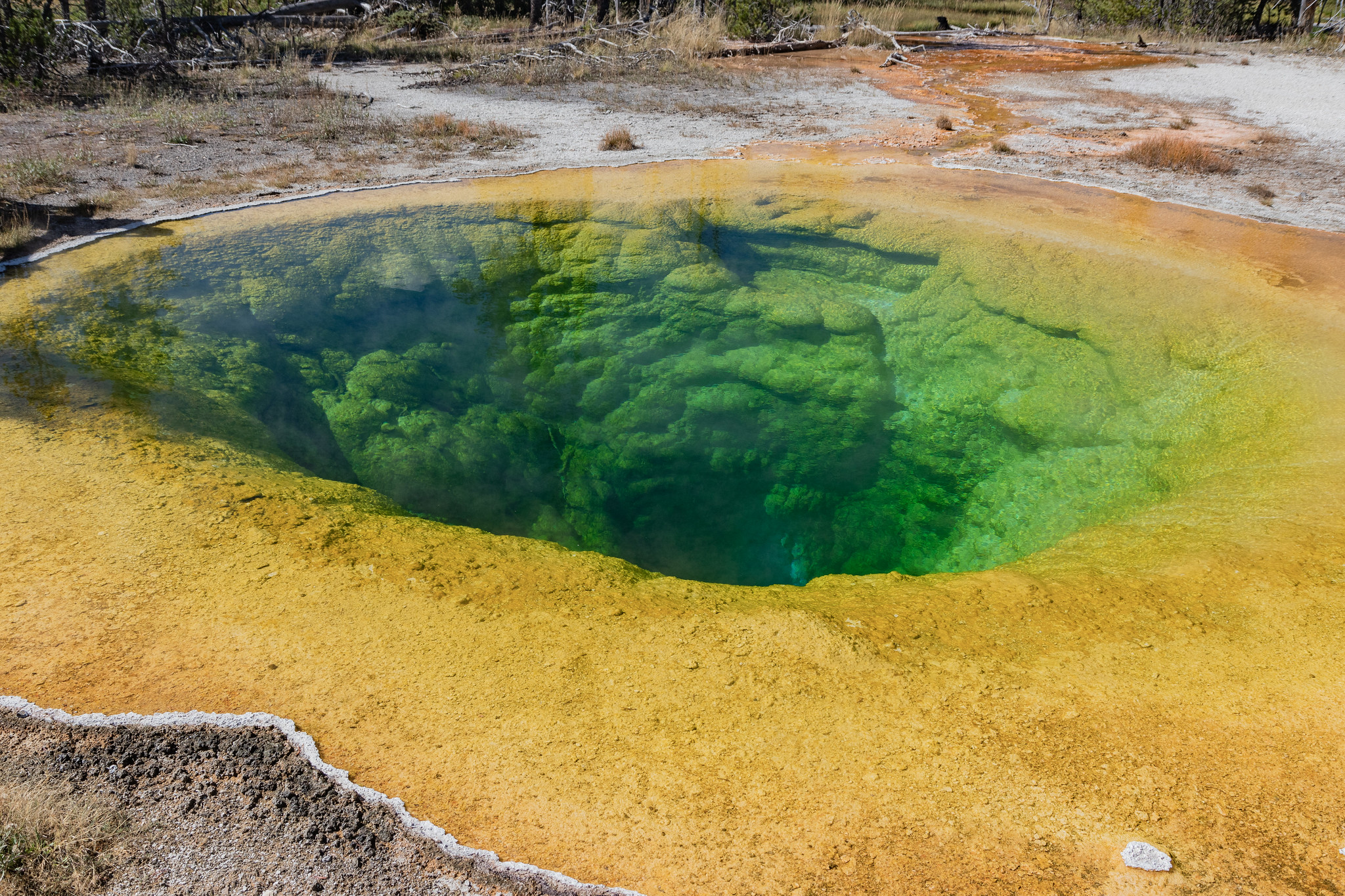
There are nearly 10,000 hydrothermal hot springs in the park! Over these four days, we saw plenty. Some are small pools of boiling and steaming water, while others are immense, calm, and deep natural pools. Water from the surface flows down to the depths, is heated by magma, and rises back to the surface as boiling water. The colors are always stunning! The bluer the water, the hotter it is (even above boiling point). Conversely, yellows and oranges mean cooler water, thanks to thermophilic bacteria thriving around the edges.


Our favorite pool is undoubtedly Morning Glory Pool, with clear and deep waters. It used to be fully blue, but visitors threw objects in, clogging the hot water flow. The surface gradually cooled down, allowing bacteria to bloom, giving it its yellow color.
The park’s iconic hot spring is Grand Prismatic Spring, viewable from a short hike above. Here, the water is over 70°C (158°F). It’s the third-largest hot spring in the world, with nearly 2,000 liters (530 gallons) of boiling water rising from the earth every minute. The colors are simply breathtaking!

Yellowstone Canyon
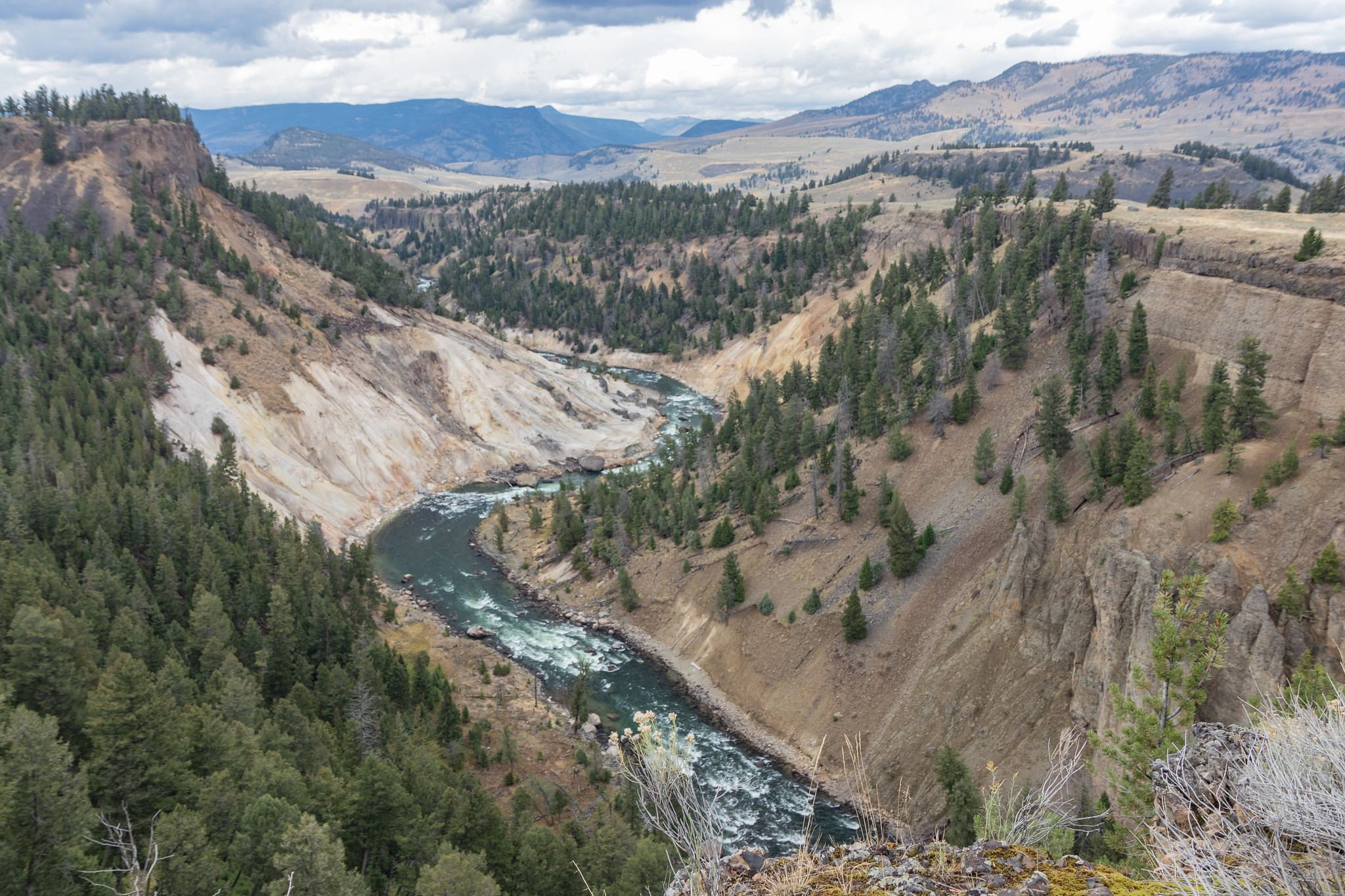
Yellowstone has its own Grand Canyon! It is, in fact, its yellowish limestone rock that gave the park its name. Volcanic activity is present here too: fumaroles steam from the canyon walls near the river.


The Landscapes
While Yellowstone stands out for its volcanic activity, it also boasts varied and magnificent landscapes. Vast plains with autumn colors, forests, waterfalls, valleys, the park is so huge it offers a great variety of landscapes. Wherever you look, it’s stunning.




For encounters with bears, wolves, moose, and elk in Yellowstone, check out our other article! For now, we are heading to the other iconic park in Wyoming: Grand Teton National Park, where we are sure to fall in love!